Installing Granite During Inland Empire Heat and Santa Ana Winds
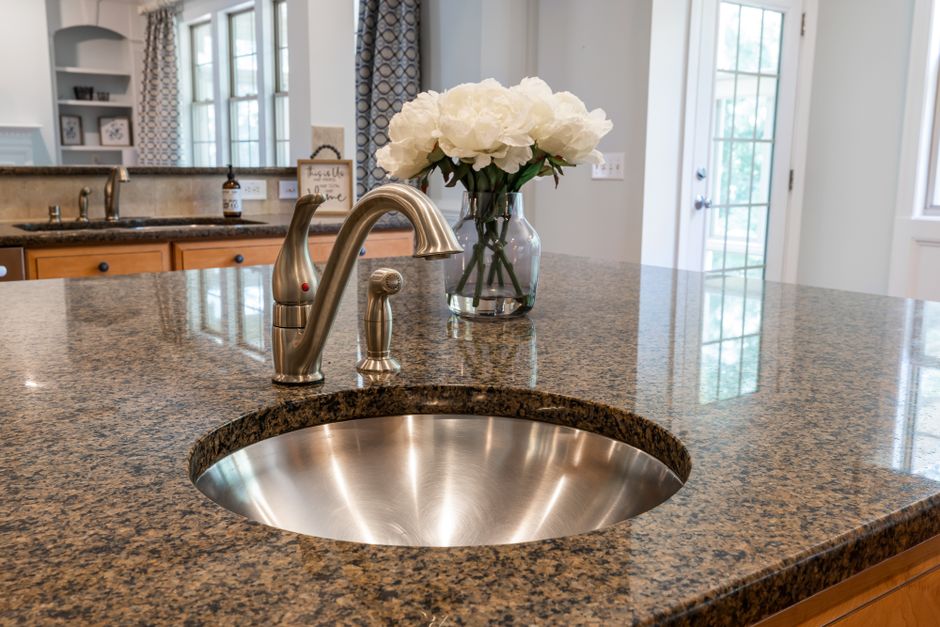
Two granite slabs that look identical on the truck can behave very differently, one pulled from a shaded garage at seven in the morning and one left baking in the driveway until noon. In Riverside, CA, the pot life of seam adhesive on a July afternoon runs shorter than granite countertop installation riverside the jack condo lists for spring work, and the Santa Ana winds add dust and gusts on top of the heat. Timing and weather decide more of the day than most people expect.
Heat shortens working time
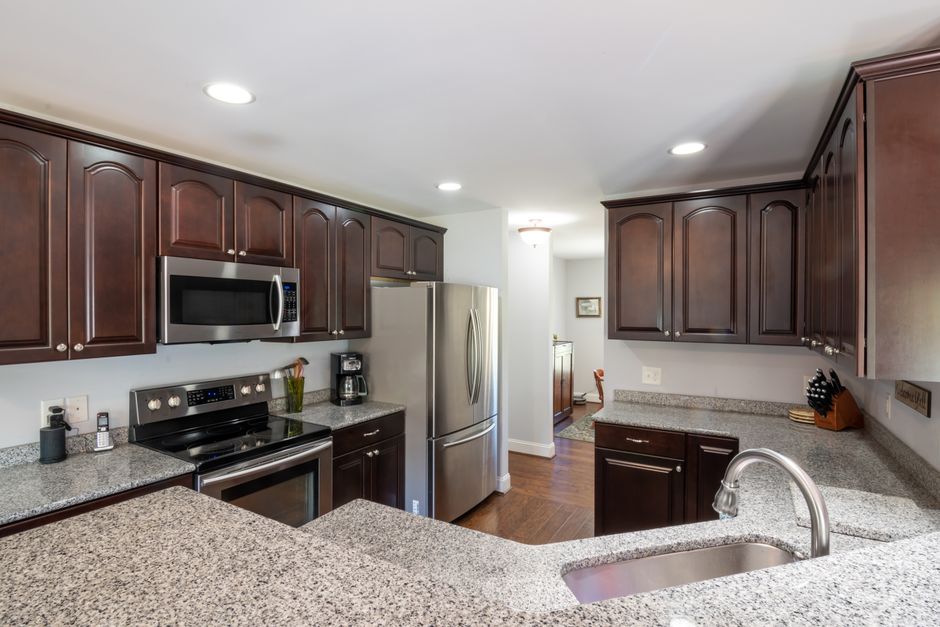
Seam epoxies and polyester adhesives cure faster as temperature rises. On a hot day the mixed batch starts stiffening in the cup, and the window for pulling the seam tight gets short. Mix smaller batches, dry fit every piece first, and mark the seam placement before opening the adhesive. A seam that is still being nudged while the glue sets will show it later.
Cold slows everything down
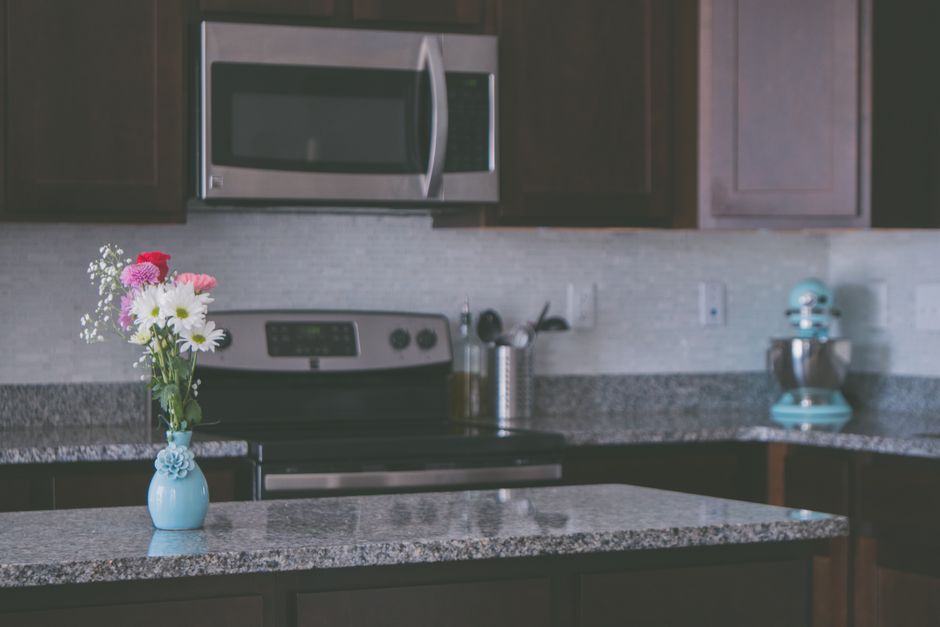
Cold temperatures slow the cure, so working time stretches out and full strength takes longer to arrive. That helps with alignment but it means the seam cannot be loaded early. Leave the clamps or seam setters in place longer, and keep weight off any overhang until the adhesive has gone fully hard.
Stone left in the sun
Stone parked in direct sun gets hot, and a heated slab can shorten adhesive working time once it is brought inside. A dark granite or quartz top can hold that heat for a long while. Keep the truck in shade when possible, and let the pieces settle to room temperature before mixing anything. This is why installers often start early in summer, while the stone, the garage and the truck are still cool.
Santa Ana winds
Strong Santa Ana winds carry dust and debris that can settle in open seams and in the adhesive before it sets. Grit in a seam shows up as a wider line and a rough edge. Wind is also a handling problem. A large slab acts like a sail, so carrying pieces across an open yard in gusty conditions in the Inland Empire risks dropped stone and hurt hands. Wait for a lull, add a second set of hands, or hold the job.
Cutting outdoors
Any cutting on site should be done with water or dust control. Wind can push silica dust toward neighbors and open windows, which matters on tight lots in Jurupa Valley or on the hillsides near Mount Rubidoux. Work wet, set the cutting station on the sheltered side of the house, and keep edge profile and eased edge work to a minimum on site. Shop-finished edges avoid most of the problem.