Granite Thickness, Edge Profiles and Sealers Explained
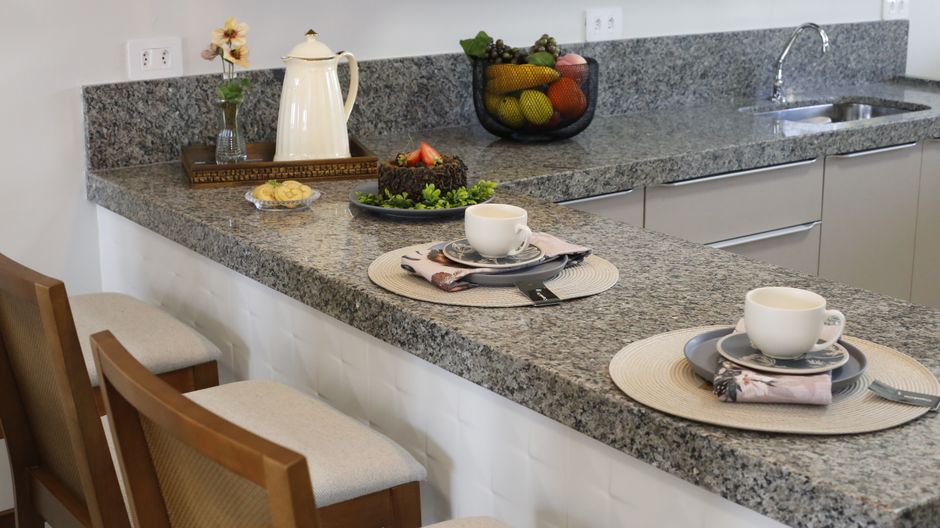
The slab does one job: it gives a kitchen a flat, hard work surface that carries heat, knives and wet pans without flexing. Thickness notes on granite countertop work booked through granite countertop installation riverside the jack condo are kept for Riverside, CA kitchens, from older tract homes near Mount Rubidoux to newer builds across the Inland Empire. Most of those jobs start with the same two numbers, 2 cm or 3 cm, and the rest follows from that choice.
Thickness and what sits under it
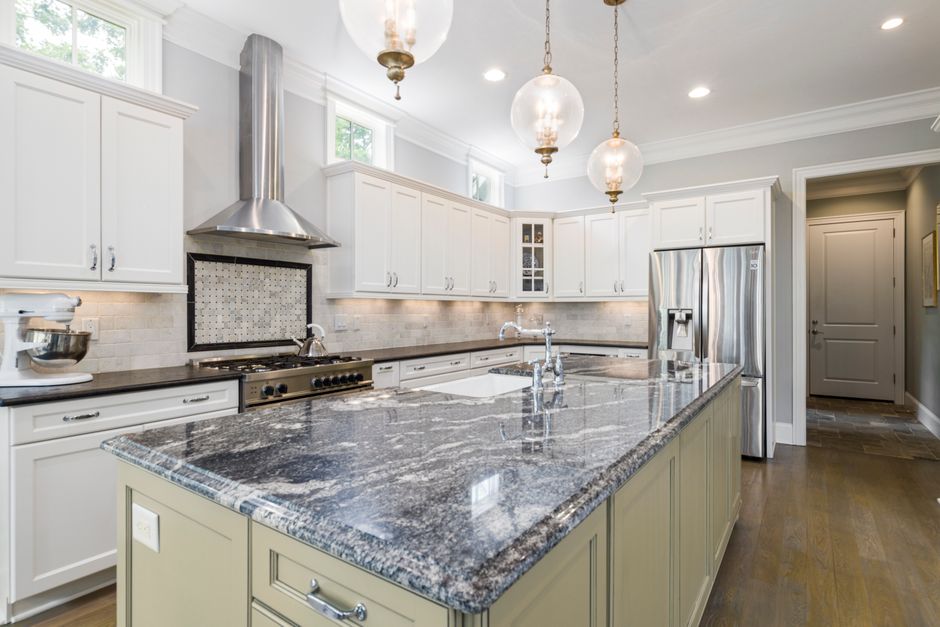
Granite slabs are commonly sold in 2 cm and 3 cm thicknesses, roughly three quarters of an inch and one and a quarter inches. The thinner slab is often installed over a plywood subtop, or given a laminated edge build up so the front reads thicker and carries more load. A 3 cm slab is stiffer, but thickness does not remove the need for support. Cutouts for sinks and cooktops still leave narrow strips of stone that crack if the cabinet below is out of level.
What is actually called granite
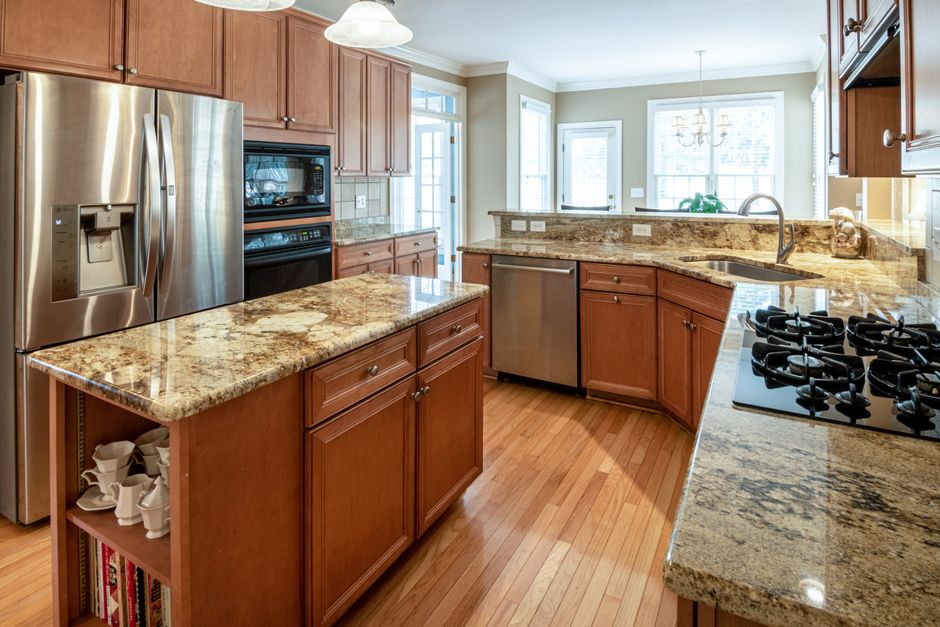
True granite is an igneous stone made largely of feldspar and quartz, and porosity varies widely from one slab to the next. Many stones sold as granite in the trade are geologically other rock types, including some that behave closer to quartzite or even marble. That is the reason stain and acid resistance differs between slabs that look similar on the yard rack. A lemon wedge that leaves nothing on one slab can etch another.
Resin, pits and sealer
Many slabs are resin treated at the factory to fill small pits and fissures before polishing. The resin helps the surface, but it does not make the stone non-absorbent. Penetrating sealers soak into the pores and slow liquid absorption. They do not form a hard coating on top, so there is no film to wear off, only a depth of protection that fades. A water drop test shows the need. Leave a drop on the stone, and if it darkens within a few minutes, the stone is absorbing and should be resealed. Dense slabs may pass for years, and open ones may fail sooner. Sealed granite still stains if a spill sits long enough.
Edges, seams and overhang
Rounded edges such as an eased edge or a bullnose are less prone to chipping than a sharp square edge, especially beside a dishwasher or at a kitchen walkway. Any edge profile gets knocked sooner or later, and a rounded one hides the knock better. Seam placement matters just as much. Seams belong away from the sink and cooktop cutouts, where the stone is weakest, and they should sit over solid cabinet lines. An overhang past about ten inches without brackets or corbels is a risk, particularly at a seated bar, because the leverage works against the stone.
Slab, remnant and local conditions
A remnant from a larger slab often covers a vanity or a small island at a fraction of full slab cost, though the veining rarely matches a second piece. Dry heat from santa ana winds pulls moisture out of cabinet boxes and plywood, so a subtop that was flat in September can shift by winter. Shims and a dry fit before any adhesive keep the stone from carrying that movement.